
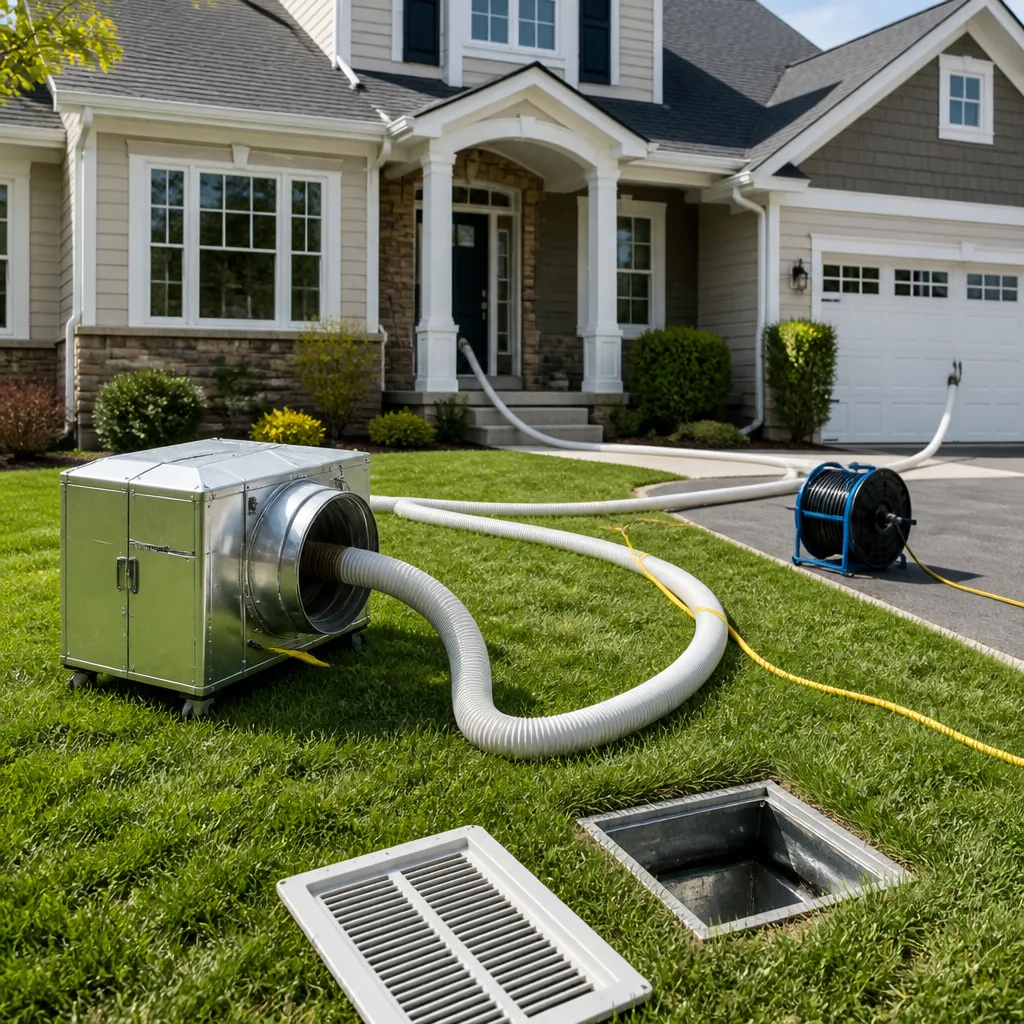
 Whole-home duct cleaning
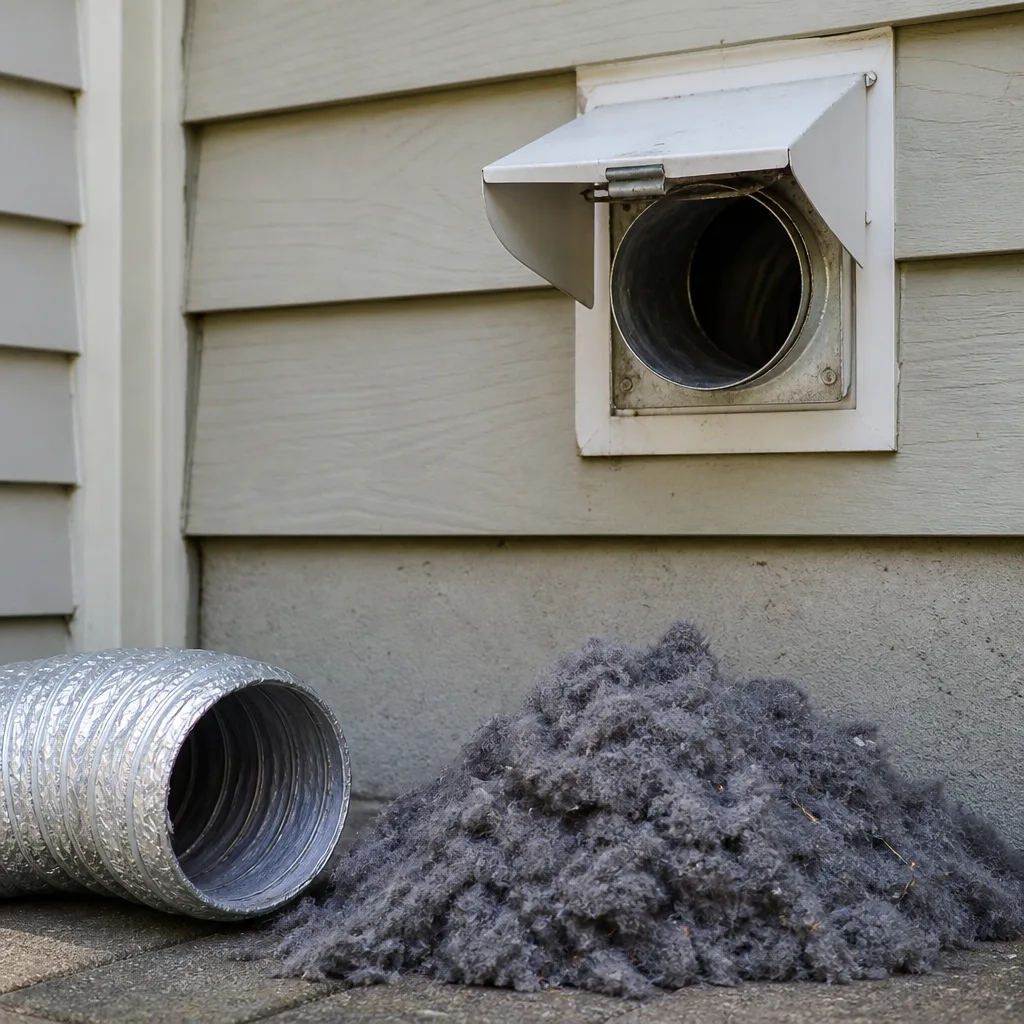 Dryer vent cleaning
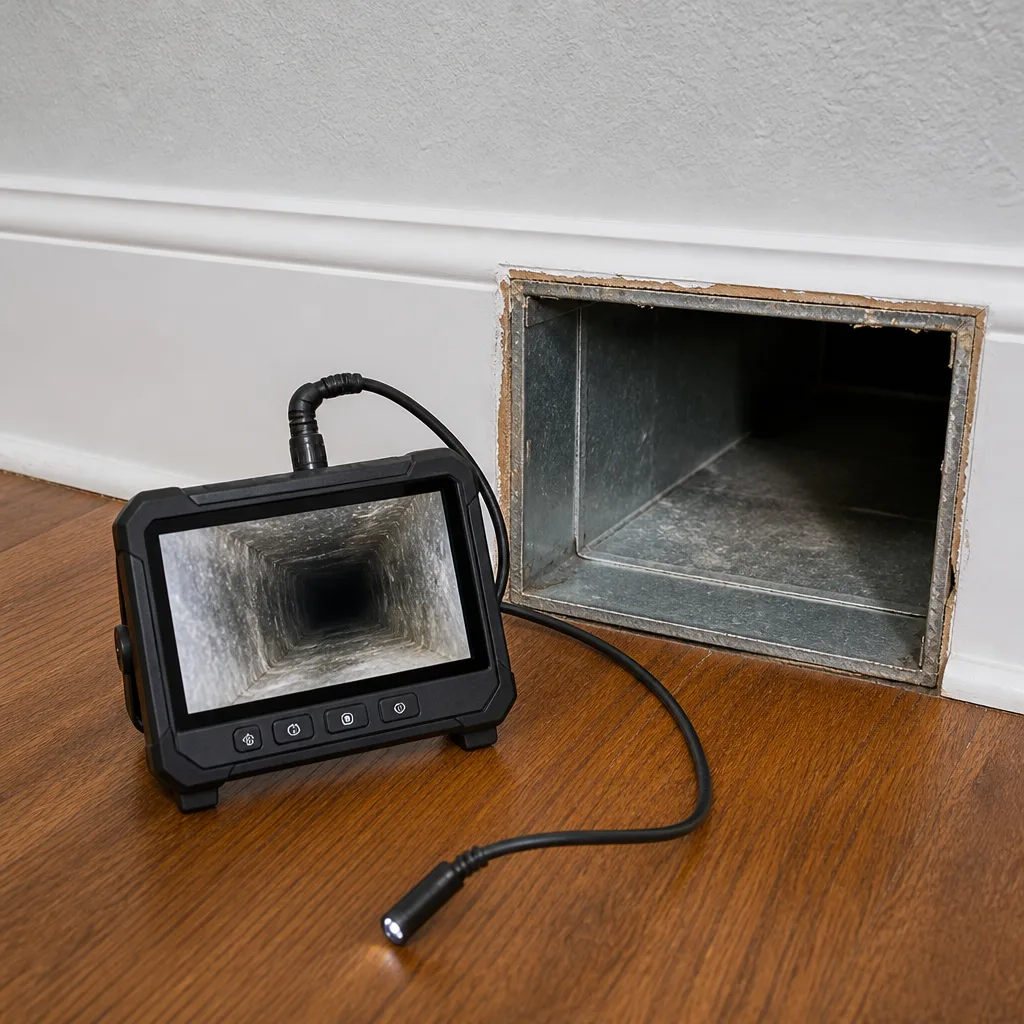 Camera inspection
 Sanitizing & deodorizing
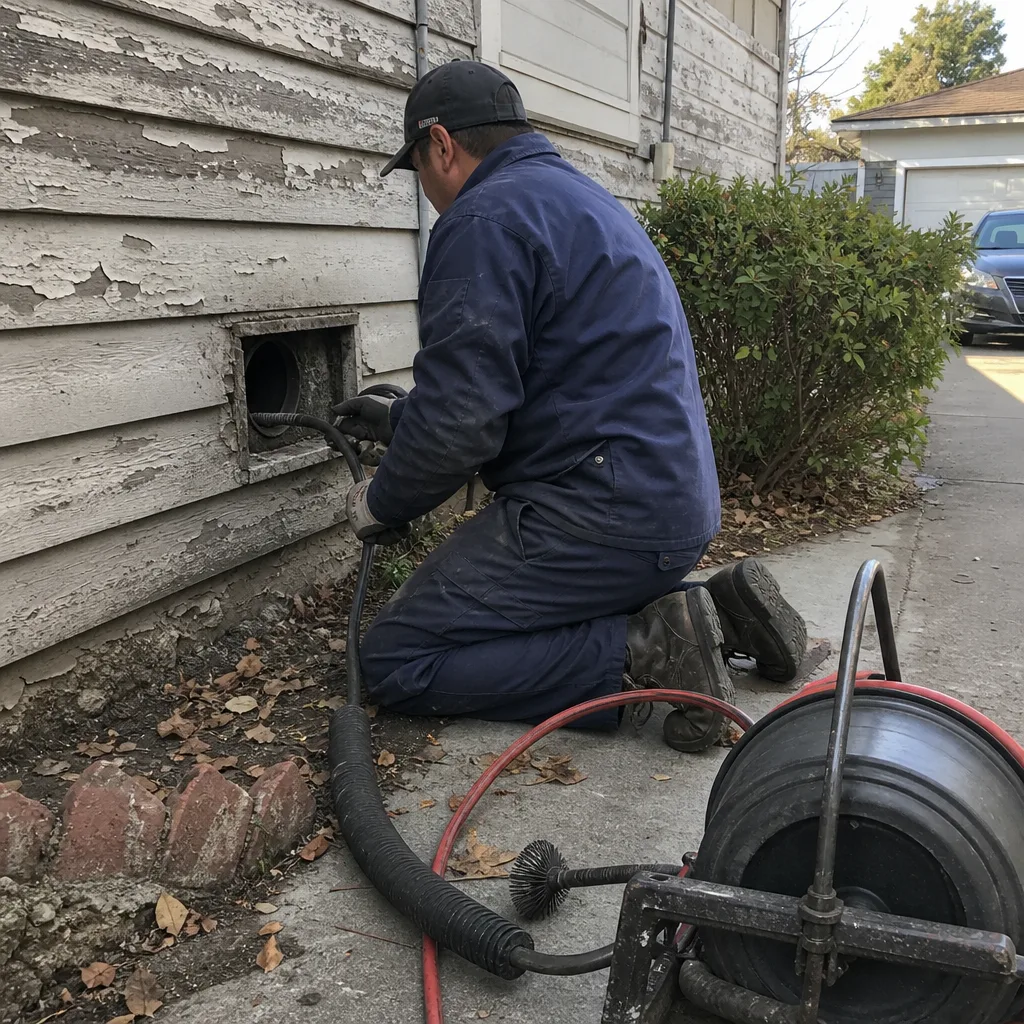
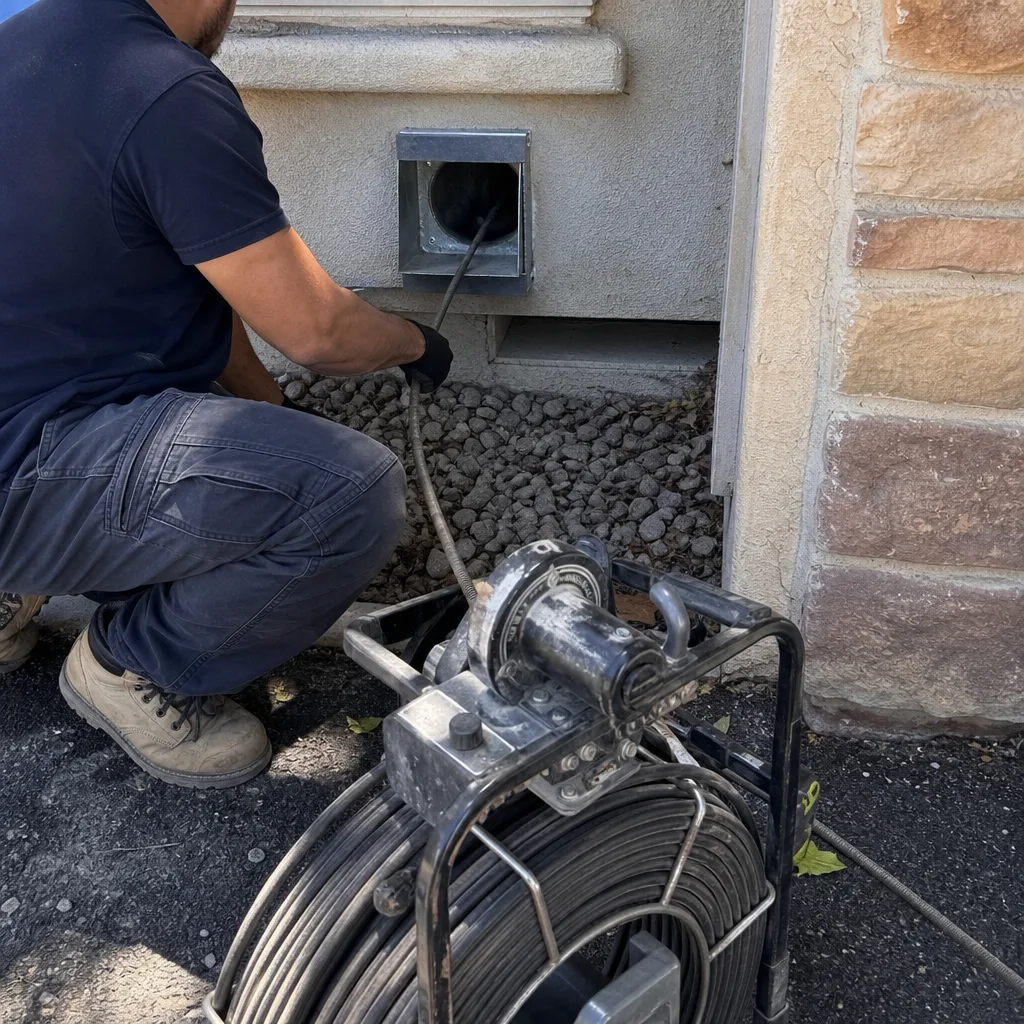
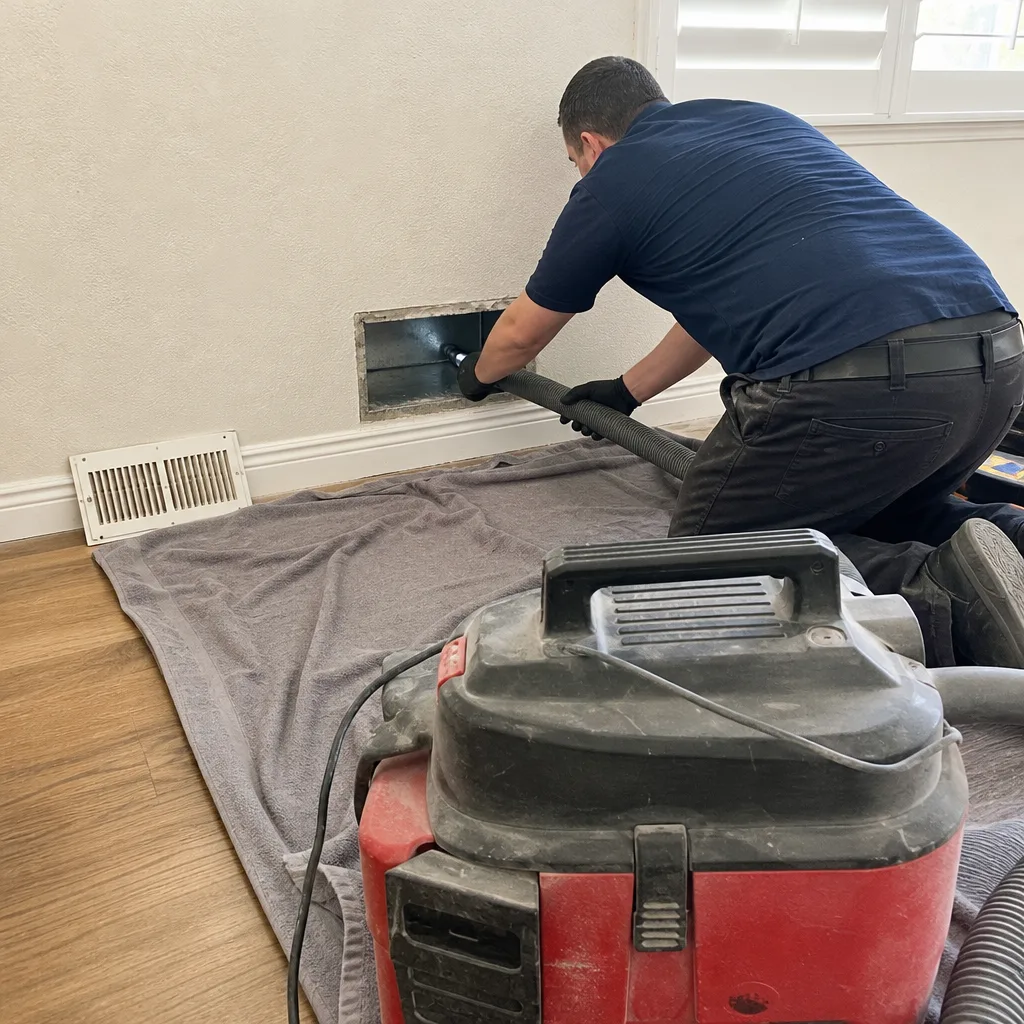
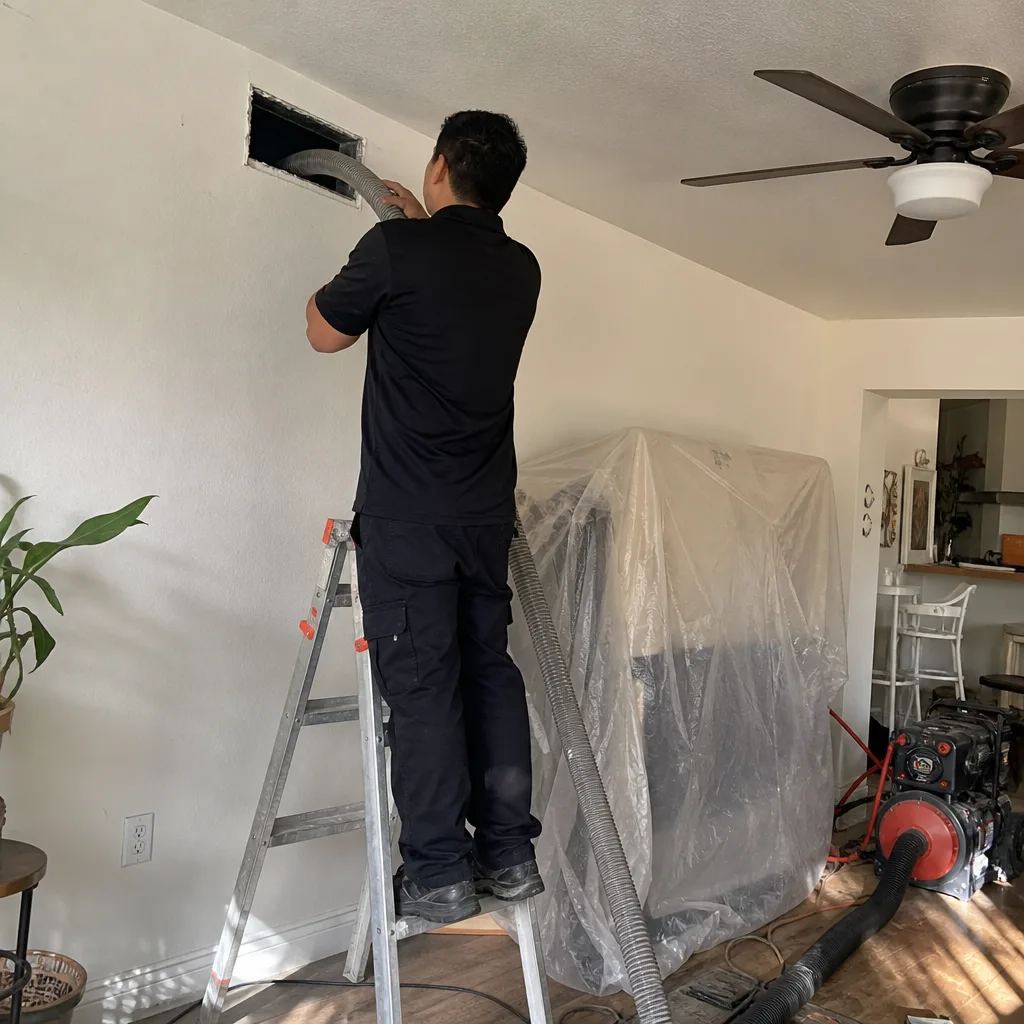
Whole-system duct and dryer vent check with before-and-after photos - you see exactly what came out of your vents
That "$99 whole-house special" is a bait ad - the real number appears once they are in your hallway, or the "clean" is a shop-vac at the register. We photograph the inside of your ducts before and after instead.
Nikro Duct Sealing & Repair: The Santa Clarita Owner’s Guide
We stock and install Nikro-compatible duct sealing and repair parts across Santa Clarita, with most seal-and-repair jobs running $450 to $1,800 depending on system size and how much ductwork needs attention. The typical homeowner calls us after noticing rooms that never hold temperature, a musty smell that comes and goes, or dust settling back on furniture within days of cleaning. You usually don’t discover a failed duct seal by looking at the duct itself. You find it in the way the house feels: one bedroom that’s always ten degrees off, a hallway vent that whistles, a heating bill that climbs every winter while the system runs the same hours it always has.
Nikro builds negative-air machines and duct sealing equipment that commercial crews rely on, and the parts that wear out on them are predictable once you know where to look. We keep the common failure points on the truck: gaskets, seal cartridges, hose couplings, filter frames, and the sealing nozzles that take the most abuse. If you’ve got a Nikro unit that’s losing vacuum or pushing sealant unevenly, we can usually tell you over the phone whether it’s a five-minute swap or a deeper rebuild.
Which Nikro Models This Applies To
Most Nikro duct sealing systems we see in Santa Clarita fall into two camps: portable negative-air machines used for duct cleaning prep, and the dedicated aerosol sealing rigs that push mastic through the ductwork under pressure. The compatibility question that trips people up is nozzle sizing. Nikro changed nozzle-thread patterns on several sealing units around the mid-2010s, and the older threaded collars will not seat on newer hose assemblies, they’ll cross-thread and leak pressure before you ever get sealant flowing. Before you order any replacement nozzle, check the stamped number on the collar and measure the inside diameter with calipers. If you can’t find a stamp, bring the old part with you or text us a photo and we’ll match it.
For gaskets and hose couplings, OEM Nikro parts are generally worth the extra money. Aftermarket equivalents exist and some are fine, but we’ve pulled too many collapsed aftermarket hoses out of Santa Clarita crawlspaces to recommend them across the board. The valley heat bakes rubber and silicone faster than most people expect, and a hose that softens under negative pressure at 110°F is not a bargain. If you’re running a system off Tournament Road or up in Saugus where summer attic temperatures push 140°F, buy the part rated for it.
Styles & brands we work with
Signs Your Nikro Duct Sealing & Repair Is Failing
- Loss of vacuum pressure mid-job. The gauge drops and won’t recover even after clearing the intake. This usually means a gasket has flattened or a hose coupling has cracked. On Nikro units, the intake gasket is the first thing to fail because it’s compressed and released constantly.
- Sealant pulsing instead of flowing steady. The machine sounds like it’s coughing. This is often a partially clogged nozzle or a seal cartridge that’s started to separate internally. Running it pulsing only thins the seal coat and means you’ll be back to reseal the same section.
- Visible mastic weeping at duct joints. When a Nikro seal job is done right, the mastic stays inside the duct. Seepage at joints means backpressure was too high during application, usually from a restricted hose or a filter that never got changed.
- Machine runs hot and shuts down. Nikro units have thermal protection for a reason. A hot-running motor is often a clogged filter or an undersized extension cord, not the motor itself. Replacing the motor before checking airflow is an expensive mistake we see from owners who guess instead of test.
- Rooms that were sealed six months ago are leaking again. Seal failure this soon typically points to movement in the duct system: loose hangers, foundation settling, or a section that was never properly secured before sealing. The seal product isn’t the problem; the structure is.
See the difference
 Before
 After
After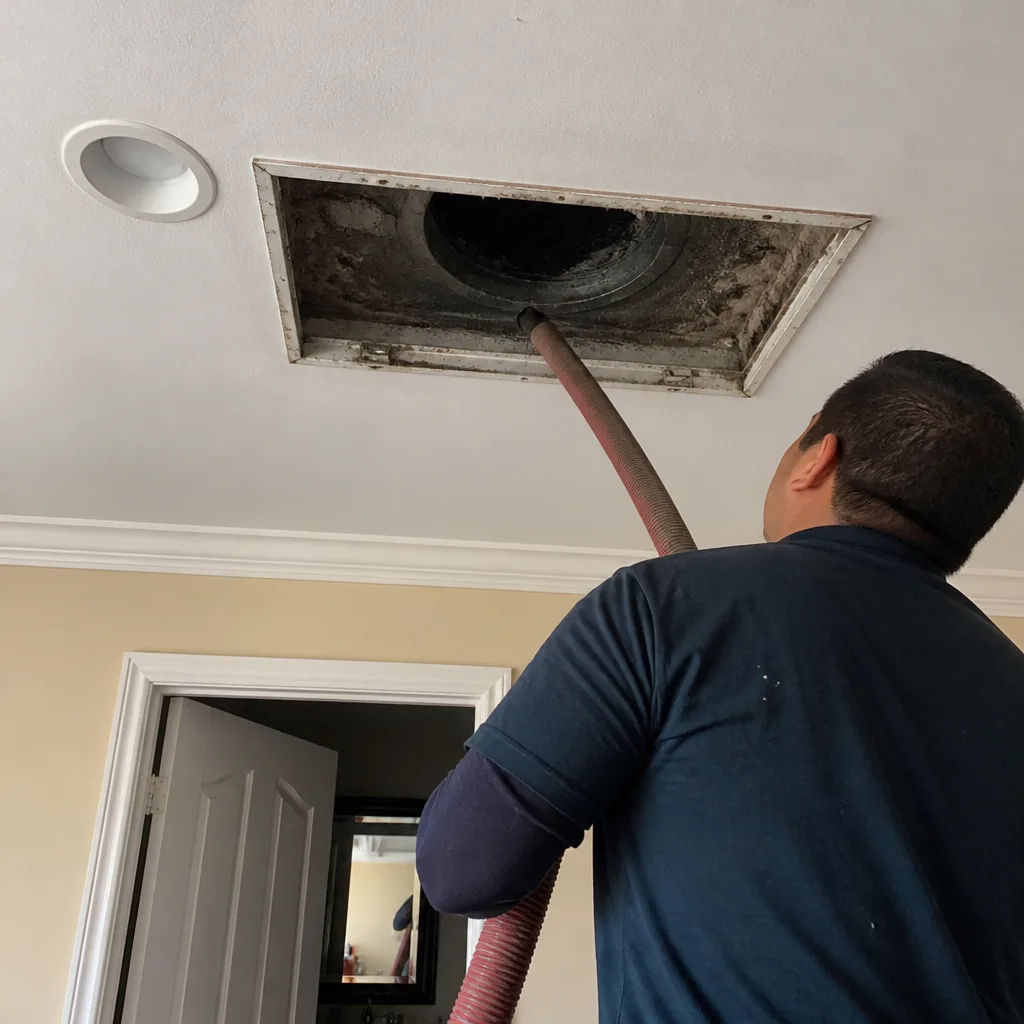 Before
 After
After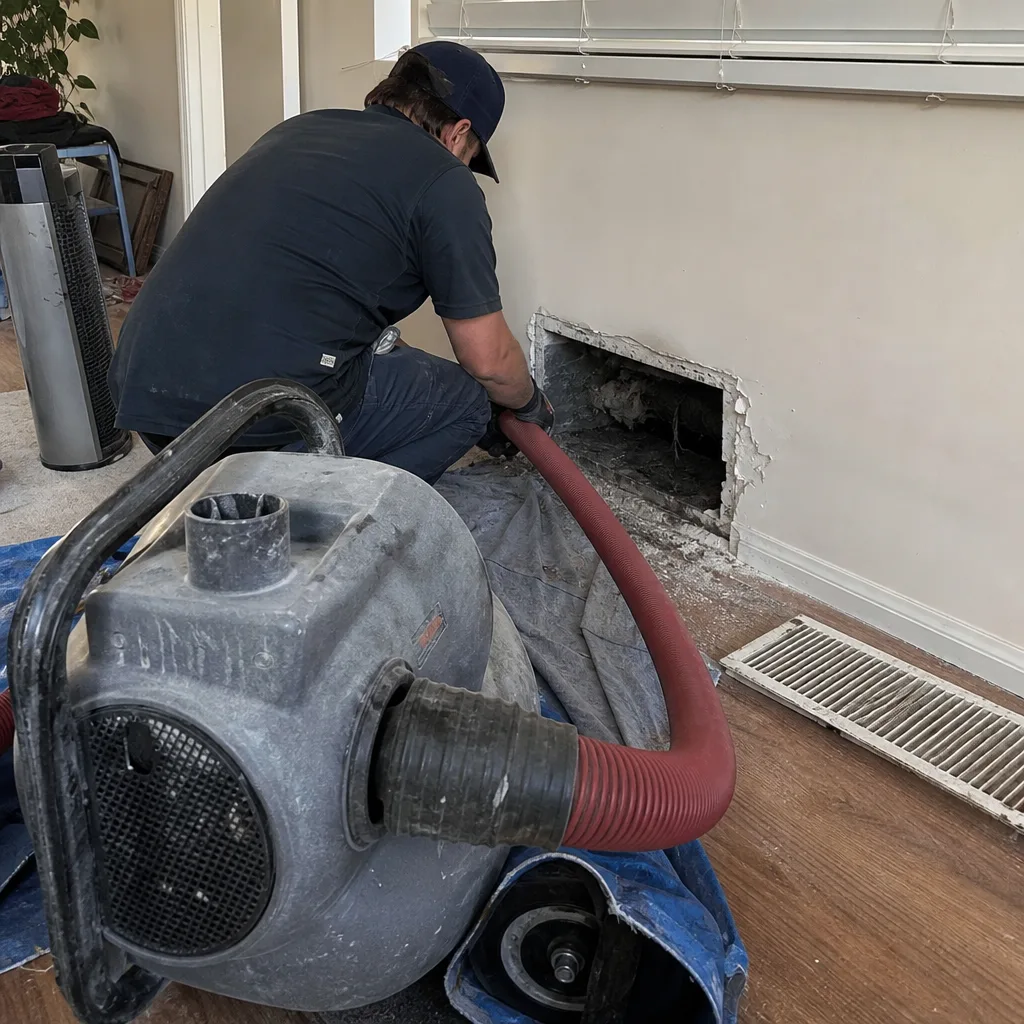 Before
 After
AfterReplacement Cost & What’s Included
For Santa Clarita homeowners, here’s the range we quote most often:
- Single nozzle or gasket replacement: $85 to $180 installed
- Complete hose assembly with fittings: $220 to $410 installed
- Full duct sealing on an average 1,800 sq ft home: $950 to $1,450
- Larger homes or badly deteriorated ductwork: $1,450 to $1,800+
Every quote is written down before we start, and it doesn’t move at the door. That’s the Garrison Standard, same rule on every job regardless of size. The price covers the part, the labor, and cleanup. If the repair fails within a year, we come back and make it right at no charge under our 365-Day Done Right Promise. That’s in writing, every time, no fine print.
DIY or Call Us?
Here’s the honest split. If you’re swapping a filter, checking a gasket for flatness, or measuring a hose diameter to identify the right replacement, that’s reasonable owner-level work. If you’re opening a Nikro sealing unit to replace internal components, dealing with pressurized sealant lines, or working in a Santa Clarita attic in August, call us. The machinery isn’t dangerous the way a garage spring is, but a failed seal job is expensive in a different way: you won’t know it failed until your next utility bill tells you. And a pressurized mastic line that lets go covers everything in a ten-foot radius, including you.
Roy Castellanos has worked jobs from older ranch homes near Saugus to the newer builds off Tournament Road, and he’ll tell you plain: half the time, what looks like a failed Nikro part is actually a duct system that was never prepped right in the first place. We diagnose before we replace. Call (661) 523-0295 and we’ll walk through what you’re seeing.
FAQs
A properly applied Nikro duct seal should last 10 to 15 years in most Santa Clarita homes, though the valley heat and fine dust from the surrounding foothills shorten that on systems with poor filtration or ducts that run through uninsulated attics. We see seals fail fastest in homes where the filter hasn’t been changed regularly and the ducts flex with seasonal temperature swings. Call (661) 523-0295 and we’ll inspect what’s there before recommending anything.
Yes, if the failure is localized. Single-joint leaks and small separations can usually be resealed without redoing the whole system. The honest answer is that spot repairs only make sense when the surrounding seal is still intact; if it’s peeling in multiple sections, you’re buying time, not fixing the problem. We’ll tell you which situation you have before quoting a dollar figure.
A single part swap, like a nozzle or gasket, takes under an hour. Full-system duct sealing on an average Santa Clarita home runs four to six hours including setup, sealing, cure time, and cleanup. We schedule it as a single visit and you’ll know the price before we start.
We keep common Nikro sealing parts on the truck: gaskets, nozzles, hose couplings, filter frames. Uncommon parts we order direct and typically have within a few business days. We also keep parts for Lennox, Trane, and Carrier systems on hand, which matters if your duct sealing job turns up a deeper HVAC issue while we’re in there.
Written by Roy Castellanos, Owner, Hollis Air Duct Santa Clarita at Hollis Air Duct Santa Clarita, serving Santa Clarita and nearby areas.